Picture Of Nervus System : Human Nervous System Medical Vector Illustration Diagram ... - Following fertilisation, the central nervous system begins to form in the 3rd week of development.
Dapatkan link
Facebook
X
Pinterest
Email
Aplikasi Lainnya
Picture Of Nervus System : Human Nervous System Medical Vector Illustration Diagram ... - Following fertilisation, the central nervous system begins to form in the 3rd week of development.. The nervous system consists of the brain, spinal cord, sensory organs, and all of the nerves that connect these organs with the rest of the body. All parts of the nervous system influence each other. The picture you have in your mind of the nervous system probably includes the brain, the nervous tissue contained within the cranium, and the spinal cord, the extension of nervous tissue within the vertebral column. A neuron consists of a cell body called cyton, and two types of processes—dendrite and axon. The cell body is located in either the brain or spinal cord and projects directly to a skeletal muscle.
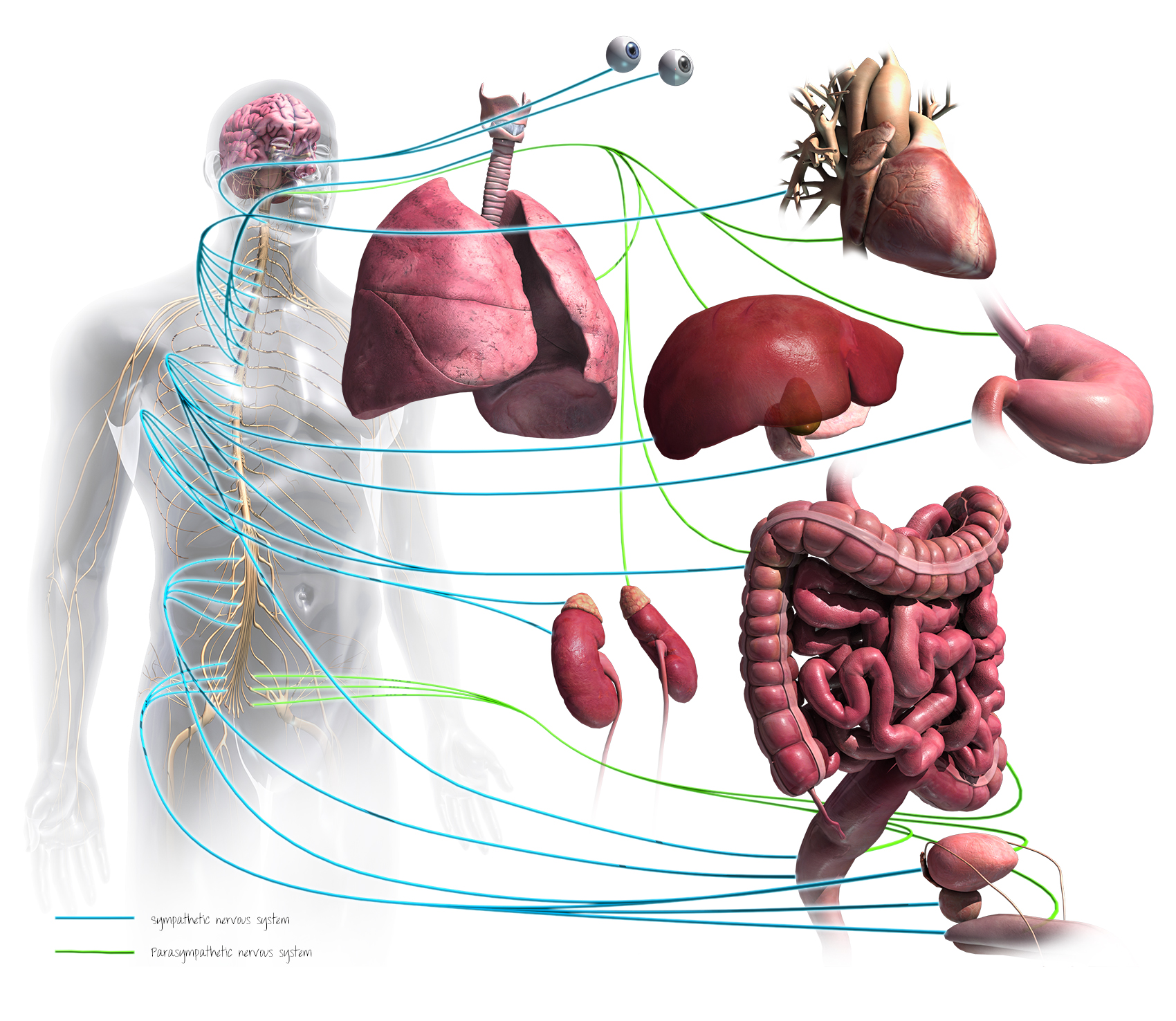
The parasympathetic nervous system is organized in a manner similar to the sympathetic nervous system. However, these parts are usually indistinguishable. There are two kinds of cells in the nervous system: That suggests it is made of two organs—and you may not even think of the spinal. The nervous system has two major parts:
Autonomic Nervous System - AKYU from www.akyudesign.com The part of the nervous system that controls voluntary movemen… regulates key involuntary functions of the body. Peripheral nervous system (pns)—all neural tissue outside the central nervous system. The nervous system is a complex collection of nerves and specialized cells known as neurons that transmit signals between different parts of the body. Learn about pictures nervous system with free interactive flashcards. The nervous system is the control center for your body. That suggests it is made of two organs—and you may not even think of the spinal. Automatic motor reflex, nervous system, visceral nervous system, involuntary nervous system, peripheral nervous system control system below the level of consciousness to control visceral functions. The nervous system is broken down into two main parts:
Spinal nerves—one of 31 pairs of nerves that originate on the spinal cord from anterior and posterior roots.
Following fertilisation, the central nervous system begins to form in the 3rd week of development. To make sense of the picture above, note the following… a neuron found in the parasympathetic nervous system has: A neuron consists of a cell body called cyton, and two types of processes—dendrite and axon. The neurons conduct impulses and the neuroglia support and protect the neurons. Learn about pictures nervous system with free interactive flashcards. Want to learn more about it? Through text, pictures and animations, this presentation introduces numerous topics:ppt contents:functions of the nervous systemanatomy of a neuron3 types. The nervous system detects environmental changes that impact the body. ← integumentary system — human physiology — senses →. It interprets the things your body senses, and it sends information to the muscles and glands the structures of the nervous system include your brain, spinal cord, and nerves that reach to every part of your body. The nervous system is a complex network of neurons and cells that carry messages to and from the brain and spinal cord to various parts of the body. The picture you have in your mind of the nervous system probably includes the brain, the nervous tissue contained within the cranium, and the spinal cord, the extension of nervous tissue within the vertebral column. Here are some key points about the central nervous system.
The part of the nervous system that controls voluntary movemen… regulates key involuntary functions of the body. A neuron consists of a cell body called cyton, and two types of processes—dendrite and axon. ← integumentary system — human physiology — senses →. Occupying much of the head in humans and protected by the skull in all vertebrates, it is. The central nervous system (cns) and the peripheral nervous system (pns).
Organization of the nervous system - Online Science Notes from onlinesciencenotes.com Occupying much of the head in humans and protected by the skull in all vertebrates, it is. Peripheral nervous system (pns)—all neural tissue outside the central nervous system. Following are the two common. Together, these organs are responsible for the control of the body and communication among its parts. Learn about pictures nervous system with free interactive flashcards. The nervous system can be divided into anatomic and functional parts; The part of the nervous system that controls voluntary movemen… regulates key involuntary functions of the body. The human body has a central nervous system and a peripheral nervous system.
That suggests it is made of two organs—and you may not even think of the spinal.
Neurons receive information, integrate it, and pass it along. The part of the nervous system that controls voluntary movemen… regulates key involuntary functions of the body. If you have a back injury, the picture below will help you understand exactly where your. Peripheral nervous system (pns)—all neural tissue outside the central nervous system. The human body has a central nervous system and a peripheral nervous system. More detail and supporting information is in the main article. Of the various parts of the nervous system, the brain can be thought of as the control center. That suggests it is made of two organs—and you may not even think of the spinal. Damage to the brain can be caused by many things, for example, trauma and als. The conductive nerve fibers run without limitations from the cns to the pns and vice versa. The nervous system can be divided into several connected systems that function together. The nervous system detects environmental changes that impact the body. The picture you have in your mind of the nervous system probably includes the brain, the nervous tissue contained within the cranium, and the spinal cord, the extension of nervous tissue within the vertebral column.
The nervous system is a complex collection of nerves and specialized cells known as neurons that transmit signals between different parts of the body. The part of the nervous system that controls voluntary movemen… regulates key involuntary functions of the body. The preganglionic neurons are located in specific cell groups (also called nuclei). Through text, pictures and animations, this presentation introduces numerous topics:ppt contents:functions of the nervous systemanatomy of a neuron3 types. In biology, the nervous system is a highly complex part of an animal that coordinates its actions and sensory information by transmitting signals to and from different parts of its body.
Nerves Plaque Man Upper - Human Body Help from www.humanbodyhelp.com Automatic motor reflex, nervous system, visceral nervous system, involuntary nervous system, peripheral nervous system control system below the level of consciousness to control visceral functions. Picture of the the spinal cord parts. The central nervous system or cns include the brain and spinal cord. The picture you have in your mind of the nervous system probably includes the brain, the nervous tissue contained within the cranium, and the spinal cord, the extension of nervous tissue within the vertebral column. Two types of cells constitute the nervous system— neurons and neuroglia. The picture you have in your mind of the nervous system probably includes the brain, the nervous tissue contained within the cranium, and the spinal cord, the extension of nervous tissue within the vertebral column. There are two kinds of cells in the nervous system: The peripheral nervous system is essentially, the nervous system outside of the brain and spinal cord.
The central nervous system (cns) and the peripheral nervous system (pns).
The picture on the left shows the somatic motor system. However, these parts are usually indistinguishable. There are two kinds of cells in the nervous system: Description of the nervous system. We continue our tour of the nervous system with a look at synapses and the crazy stuff cocaine does to your body. It interprets the things your body senses, and it sends information to the muscles and glands the structures of the nervous system include your brain, spinal cord, and nerves that reach to every part of your body. The picture you have in your mind of the nervous system probably includes the brain, the nervous tissue contained within the cranium, and the spinal cord, the extension of nervous tissue within the vertebral column. Here are some key points about the central nervous system. The conductive nerve fibers run without limitations from the cns to the pns and vice versa. The central nervous system is made up of the brain and spinal cord. The nervous system detects environmental changes that impact the body. Peripheral nervous system (pns)—all neural tissue outside the central nervous system. That suggests it is made of two organs—and you may not even think of the spinal.



Komentar
Posting Komentar